ZeroAvia plans to deliver its first ZA200 hydrogen fuel cell systems to customers in 2027 and start series production in Scotland around the end of 2029, CEO Christine Ourmières-Widener said on Wednesday at the HySky Society’s annual Flying Hy hydrogen aviation summit.
The 200-kilowatt ZA200 uses low-temperature fuel cells, a technology proven in other industries, to turn gaseous hydrogen into electricity for an aircraft’s electric motors. Ourmières-Widener said ZeroAvia will have capacity to build up to 20 ZA200 systems a year starting in 2027. On the nine-level technology readiness scale, the ZA200 is at level 5, with components validated in a realistic environment. She expects it to reach level 6, a demonstrated prototype, next year.
ZeroAvia plans to add 400- and 600-kilowatt versions. The fuel cell systems could power electric aircraft that take off vertically or from runways, military drones, and small utility airplanes such as trainers.
Ourmières-Widener also made the case for replacing some batteries with fuel cells and hydrogen tanks to extend electric aircraft range. Defense customers value the low noise and heat of fuel cells, which make aircraft harder to detect, she explained.
For single-aisle and widebody airliners, the company is developing high-temperature fuel cells that target 2.5 kilowatts per kilogram of system weight, versus 1 for the ZA200. Those fuel cells are at level 3, an early proof of concept, with production expected around 2035.
“The way to get there and the first step to just prove to the world that it’s working is maybe different from what we had in mind when we started the company,” Ourmières-Widener said.
She described the company’s shift from building everything in-house toward relying more on partnerships, such as a July agreement with Marshall Aerospace, a UK firm that modifies certified aircraft under supplemental type certificates. ZeroAvia also began working with French engine maker Safran on high-temperature fuel cells in July.
Early this year, ZeroAvia restructured to reduce cash burn, laying off about half of its workforce after a December funding round fell short of expectations. It has also closed its Everett, Washington factory, consolidating most staff at its base in Kemble, England, and labs in Kent. Founder Val Miftakhov stepped down as CEO in late May, and Ourmières-Widener succeeded him in August.
Ourmières-Widener gave no update on funding or on certification of the full ZA600 powertrain, which pairs a 600-kilowatt fuel cell system with ZeroAvia’s electric motor.
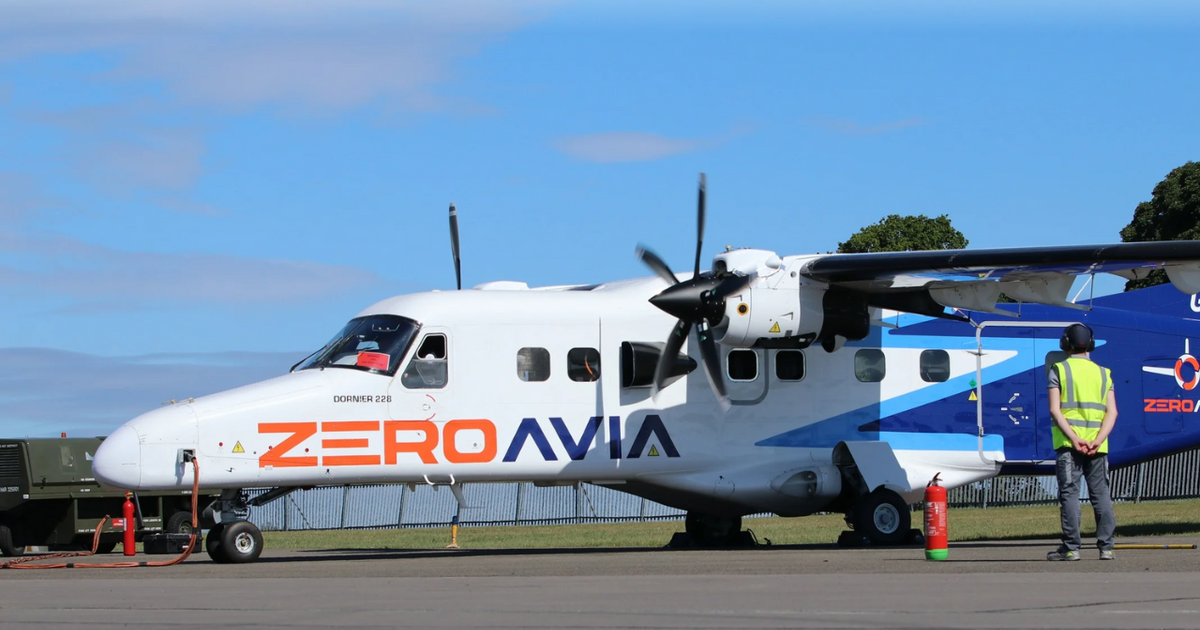
ZeroAvia’s Dornier 228 testbed flew 12 ZA600 powertrain test flights before testing paused in 2024, and Ourmières-Widener said the company has made more than 50 flights across generations of its power generation system. In July, ZeroAvia said it had no imminent flight testing planned. She said the first ZA200 units built for certification testing will be ready for a certified aircraft next year.
In this article
More In Fuel