The first digital air traffic control towers in the U.S. have gone live at Bartow Executive Airport (KBOW) in Florida and Kenai Municipal Airport (KAEN) in Alaska.
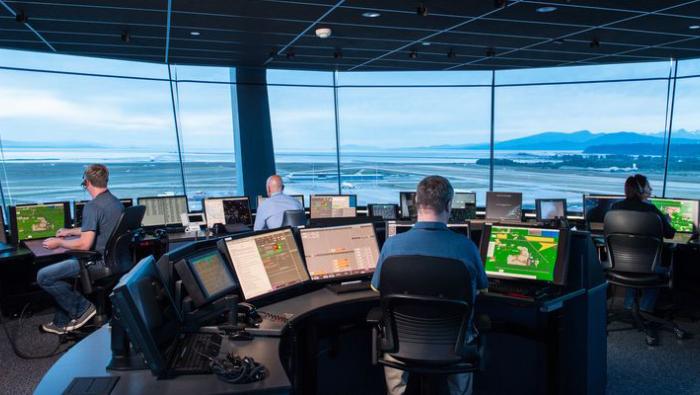
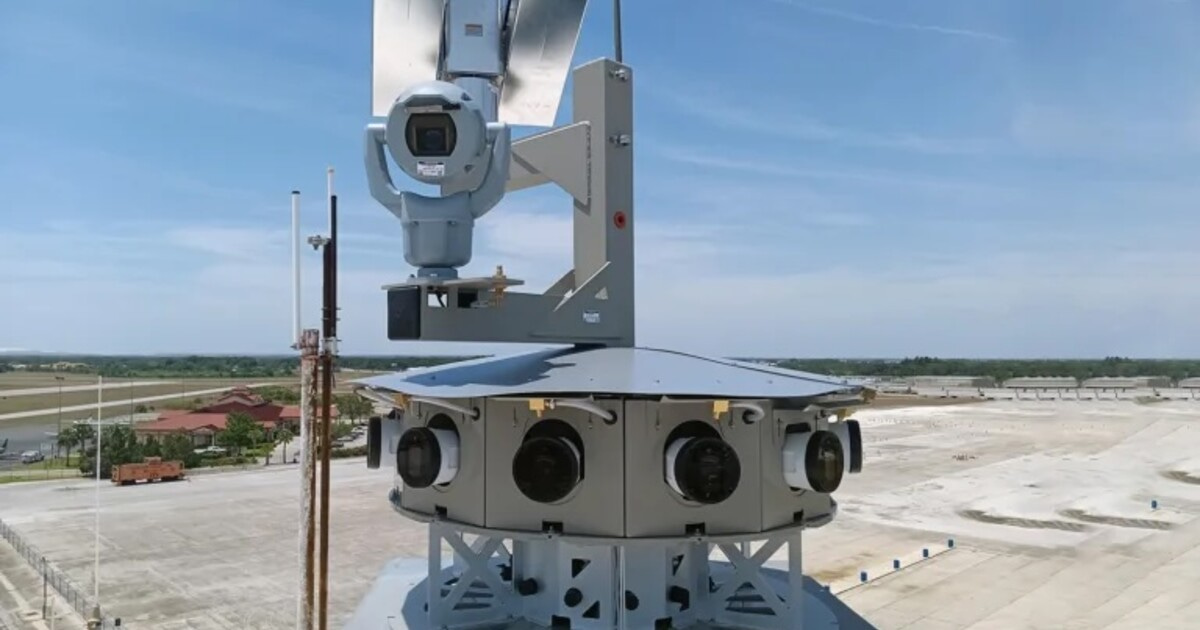
Digital towers enable air traffic controllers to provide services remotely through cameras and digital displays that provide a real-time, high-definition, 360-degree view of the runways and surrounding airspace. Earlier this year, the FAA announced plans to implement and evaluate remote digital tower technology at certain airports lacking a control tower.
The recent FAA announcement that the Florida and Alaska towers are operational comes years in the making. Pilot programs previously underway in Leesburg, Virginia, and Fort Collins, Colorado, to test the technologies were shelved earlier this decade after the agency decided to focus on establishing standards for the towers.
Then the program seemed to languish, but gained momentum in recent years thanks to a congressional mandate in the FAA Reauthorization Act of 2024 directing the FAA to establish a formal program. Digital towers have already been installed in Europe, with the largest remote tower center in Norway managing more than a dozen separate airfields.
Plans call for the FAA to add five more digital tower systems at non-towered airports in the U.S.: Winter Haven Regional (KGIF) and Venice Municipal (KVNC) in Florida; Montgomery County Airpark (KGAI) in Maryland; Johnston Regional (KJNX) in North Carolina; and Durango-La Plata County (KDRO) in Colorado. The agency is using funding from the Working Families Tax Cut Act to pay for these remote towers.
“Our air traffic controllers continue to do the critical job of keeping aircraft safely separated, and we're giving them better technology to do that,” said FAA Administrator Bryan Bedford. “Digital towers provide controllers with greater visibility of airport activity and more information to make critical decisions.”
The Venice Aviation Society Incorporated (VASI), a nonprofit organization supporting general aviation and community interests at KVNC, welcomed the news of operational towers, as well as the upcoming plans for its own airport.
“VASI has been working for this for nearly five years,” the organization said. “This will both improve safety and make the airport a quieter neighbor.” A firm timeline at Venice has not been finalized. The city council must vote on accepting the tower grants. VASI expects that vote potentially sometime in January. The tower project may be completed by mid-2028, VASI estimated.
“This technology gives controllers modern tools to manage traffic safely at one of the region’s busiest general aviation airports,” said Keith Miller, CEO of the Montgomery County Revenue Authority (MCRA), which owns and sponsors KGAI.
The MCRA and Montgomery County must still approve the system at their airport. In addition, the FAA must complete an environmental review, establish the airspace, and commission the system before the tower is operational.
More In ATC