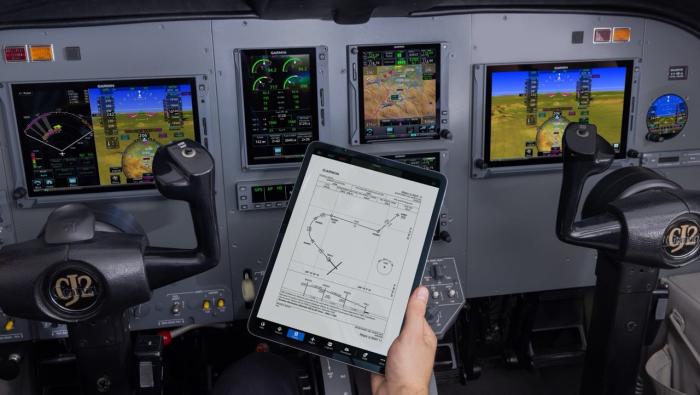
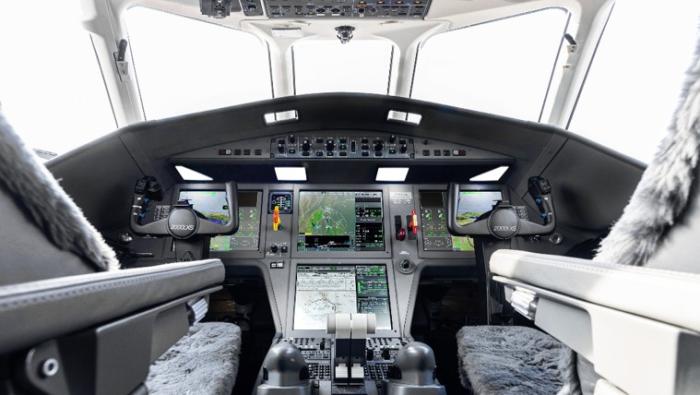
There is an encouraging trend working its way into modern aircraft cockpits, a move to design the human-aircraft interface for better pilot understanding and situational awareness. Any business jet is a complex machine, and manufacturers keep adding more capabilities, which necessarily add to pilots' workloads. But this trend also requires that attention be paid to how pilots can take advantage of the new capabilities efficiently and safely.
Two airplanes that I've flown recently—the Cirrus SR20 and Gulfstream G550—are examples of super-capable yet complicated machines. The Cirrus SR20 is a sophisticated single-engine, piston-powered airplane with a Garmin G1000-based avionics suite almost exactly the same as found in Embraer's Phenom 100E and fairly recent versions of the Phenom 300. The Cirrus doesn't require a type rating under FAA regulations, although EASA rules do require type-specific training for most aircraft types, and perhaps the FAA should take a cue from its European counterpart.

More In Avionics