|
 |
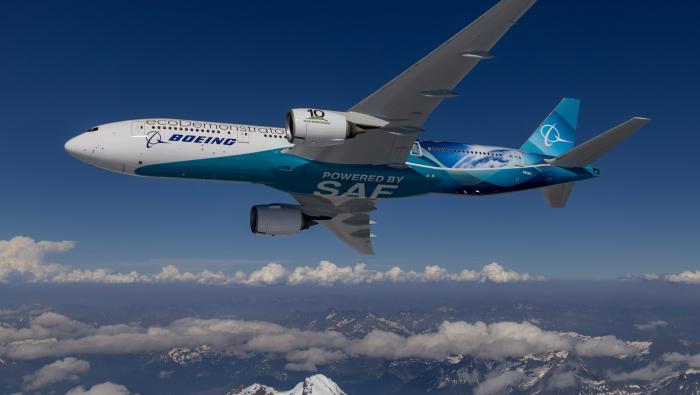 A consortium of Washington state legislators, research institutions, and local aviation industry leaders, including Boeing, have launched a joint initiative to rapidly scale the production and adoption of sustainable aviation fuel (SAF). The Cascadia Sustainable Aviation Accelerator aims to ramp the region’s SAF production capacity to one billion gallons per year by 2035. The initiative has so far raised $20 million. |
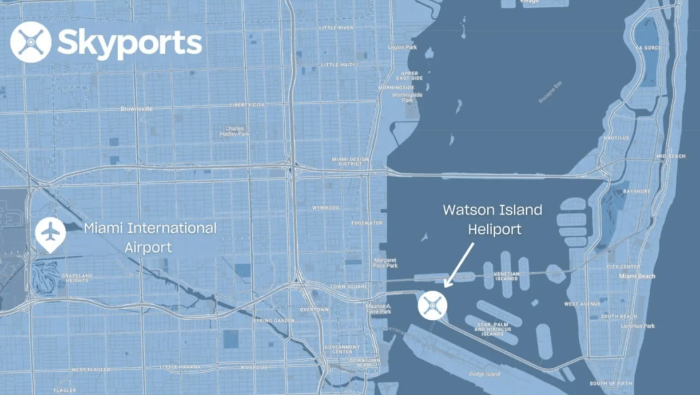 Skyports Infrastructure and Linden Airport Services Corporation are advancing plans to develop a facility on Miami’s Watson Island that could be used by both helicopters and new eVTOL aircraft. A dedicated heliport on the site—with construction planned adjacent to the existing Miami Seaplane Base—has been over 20 years in the making. However, this process has been fraught with legal challenges and delays. |
 |
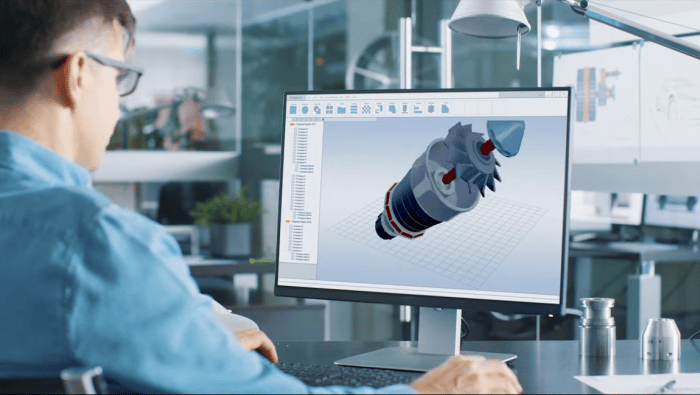 Neural Concept has introduced what it calls a “physics- and geometry-aware” artificial intelligence (AI) assistant aimed at helping aerospace, automotive, and industrial engineers tackle the growing complexity of product development. Revealed at the 2026 Consumer Electronics Show in Las Vegas, the AI Design Copilot forms part of Neural Concept’s Engineering Intelligence platform and is intended to automate and accelerate the early phases of product design. |
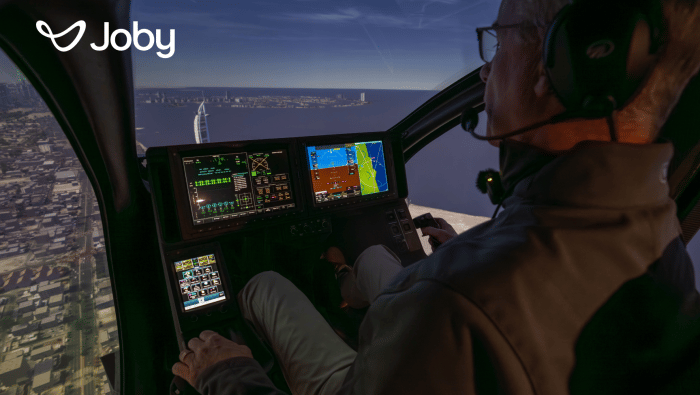 CAE has delivered the first of two eVTOL flight simulators to Joby Aviation’s pilot academy in Marina, California. The fixed-base platform is expected to receive FAA level 7 flight training device qualification, whereas the second unit to be delivered later this year will be a level C full-flight simulator with a six-axis motion platform. Joby and CAE have been collaborating on flight-simulation technology for the single-pilot, four-passenger JAS4-1 eVTOL aircraft since 2022. |
 |
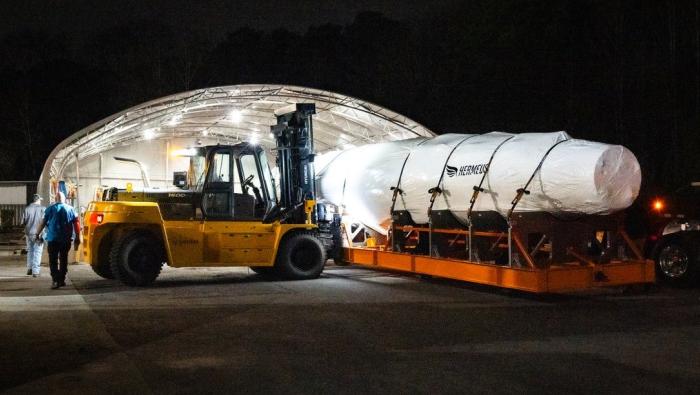 Hermeus is prepping its next high-speed flight-test vehicle, Quarterhorse Mk 2.1, for flight, shipping it to Spaceport America in New Mexico for upcoming trials. Noting that Spaceport America is the “new home for the next chapter” and that “the journey to first flight starts now,” the Atlanta-based firm said it has fully deployed its team and established a hangar on location to support the next phase of the program. |
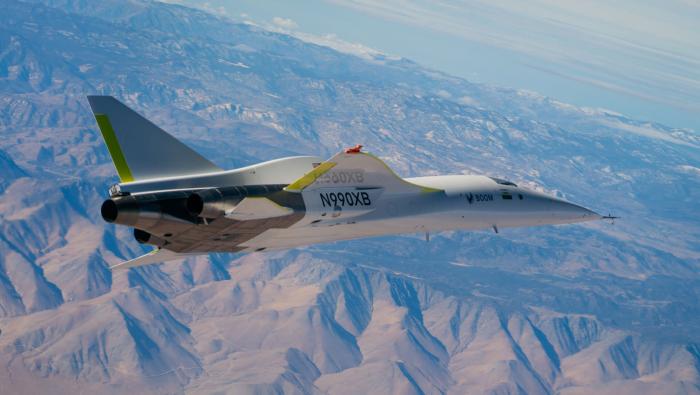 Advocates of business aviation have long valued its unique ability to save time, expediting travel and facilitating quicker connections. But as aircraft have become incrementally faster, no supersonic business jet concept has yet made it to market, despite attention from established OEMs and various start-ups over the last four decades. Although breaking the sound barrier may be technically feasible, a limited commercial market for such aircraft—hindered by existing regulatory restrictions—has resulted in an as-yet-unbroken barrier. |
|
|
|
 January 27 - 29, 2026